 listicle
Low-Maintenance Hair Color Ideas for Busy Professionals
Table of Contents
- Why Low-Maintenance Hair Color Matters for Your Lifestyle
- Low-Maintenance Blonde Hair Color Techniques
- Low-Maintenance Brunette Hair Color Options
- Balayage for Low-Maintenance Hair Growth
- Gray Blending Hair Color for Seamless Coverage
- How to Extend Time Between Salon Visits
- Choosing the Right Low-Maintenance Color for Your Hair Type
- Frequently Asked Questions
Last Updated: October 14, 2026
Why Low-Maintenance Hair Color Matters for Your Lifestyle
Busy professionals deserve hair that looks intentional without demanding constant upkeep. At Sunbeam Hair Studio, we understand that your schedule doesn't leave room for weekly salon visits or daily styling rituals. Low-maintenance hair color ideas solve this problem by working with your natural growth patterns instead of against them.
The reality is simple: the right color technique can buy you weeks between appointments. Instead of watching harsh regrowth lines appear after two weeks, you'll see your hair blend seamlessly as it grows. This isn't about settling for less, it's about working smarter. Techniques like balayage, rooted blonde, and dimensional brunettes are specifically designed to look better as they age, not worse.
What separates a truly low-maintenance color from one that demands constant attention? The technique, placement, and how intentionally your stylist works with your natural base. A color that fades uniformly looks tired. A color that's been strategically placed to soften regrowth and blend tones? That looks like you just left the salon three weeks ago.
Low-Maintenance Blonde Hair Color Techniques
Blonde doesn't have to mean high maintenance. The key is moving away from flat, uniform color toward dimensional, lived-in tones that celebrate natural variation rather than fight it.
Rooted Blonde and Lived-In Color
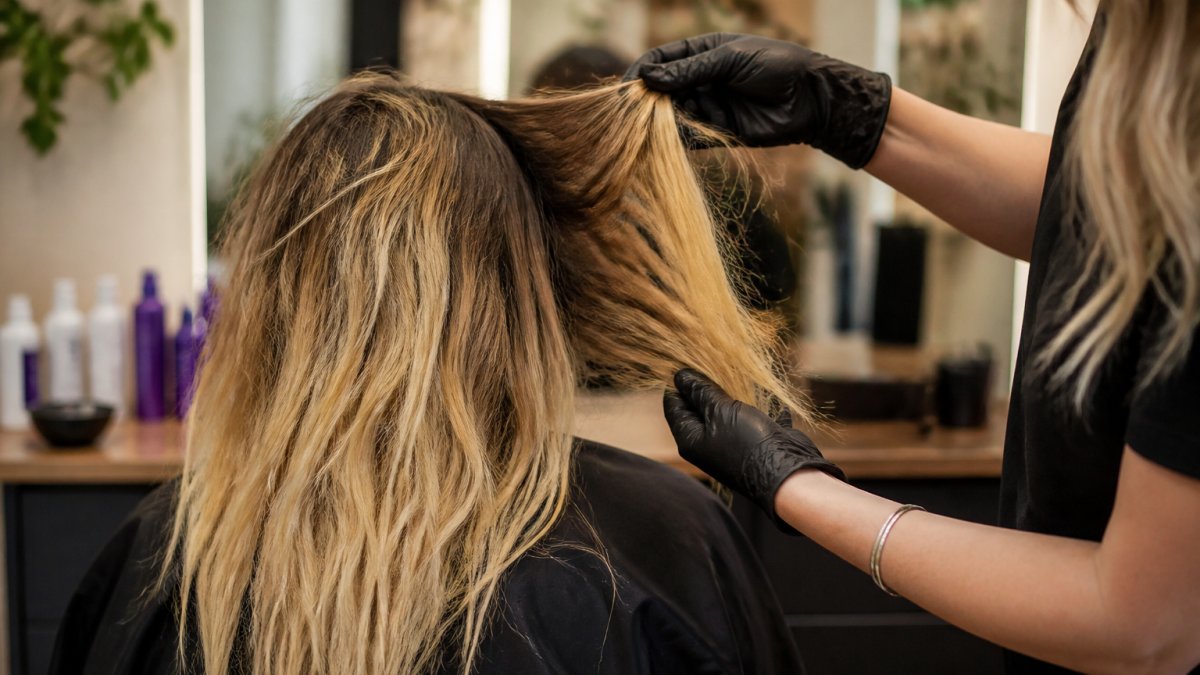
Rooted blonde is exactly what it sounds like: intentional darker tones at the roots that blend into lighter lengths. This technique eliminates the harsh line that traditional blonde creates as it grows out. Instead of that stark contrast between new growth and bleached lengths, you get a soft gradient that looks intentional and expensive.
The beauty of rooted blonde is that it actually improves with time. After three weeks, the root shadow deepens slightly and the overall effect becomes even more dimensional. After six weeks, you're still looking polished. Many professionals choose this technique specifically because it extends the timeline between color appointments from four weeks to six or even eight weeks.
Lived-in color takes this concept further by adding subtle variations throughout, warmer tones in some sections, cooler tones in others. This mimics how sunlight naturally affects hair and creates depth that single-process color simply cannot achieve. The result feels effortless, like your hair has naturally lightened over time rather than being artificially colored.
Balayage Highlights for Dimensional Depth
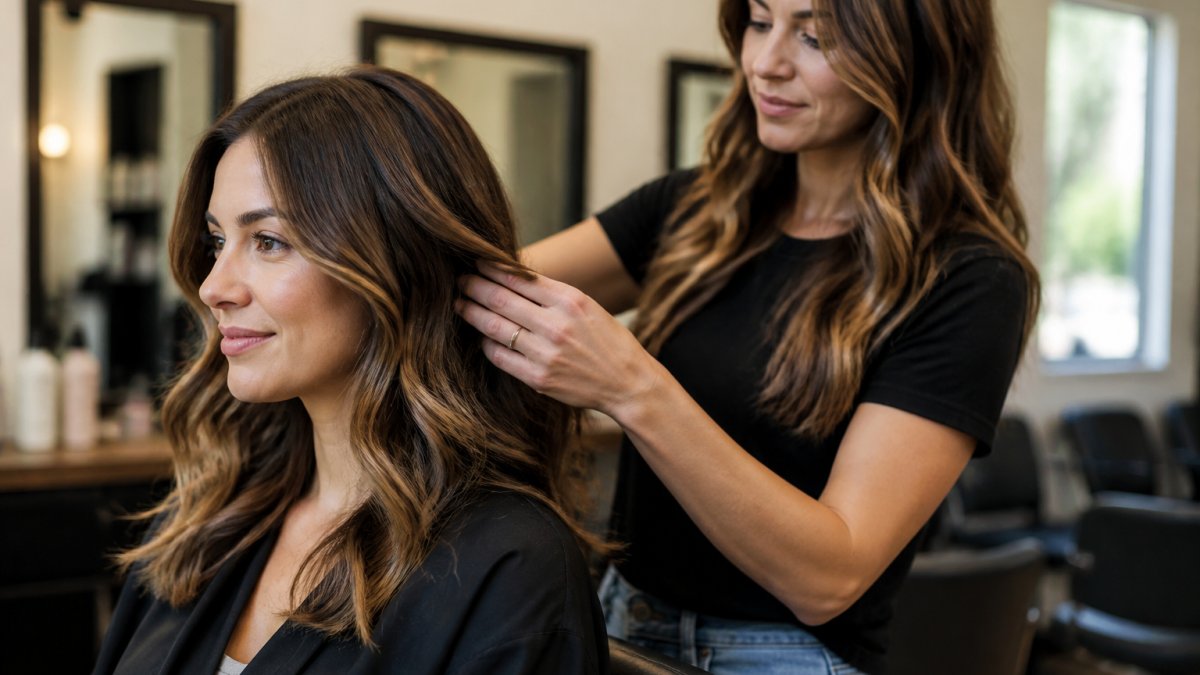
Balayage is a hand-painted highlighting technique that places lighter tones strategically throughout your hair rather than in uniform rows. The placement matters enormously for low-maintenance results. When done correctly, balayage creates dimension that camouflages regrowth because the lighter pieces are scattered throughout rather than concentrated at the roots.
The hand-painted nature of balayage means your stylist has complete control over where highlights land. For low-maintenance results, skilled stylists place lighter tones away from the hairline in areas where they'll blend naturally as your hair grows. This is the opposite of foil highlights, which typically start close to the roots and create obvious regrowth lines.
Balayage also works beautifully in combination with rooted blonde. Add hand-painted highlights to a rooted base and you've created a color that can easily go eight to ten weeks between appointments. The dimensional effect keeps the overall look fresh even as the root shadow deepens.
Low-Maintenance Brunette Hair Color Options
Brunettes have a significant advantage when it comes to low-maintenance color: darker bases naturally camouflage regrowth better than blonde. This means you can go longer between appointments while maintaining a polished appearance.
Rich, Dimensional Brunettes That Hide Regrowth
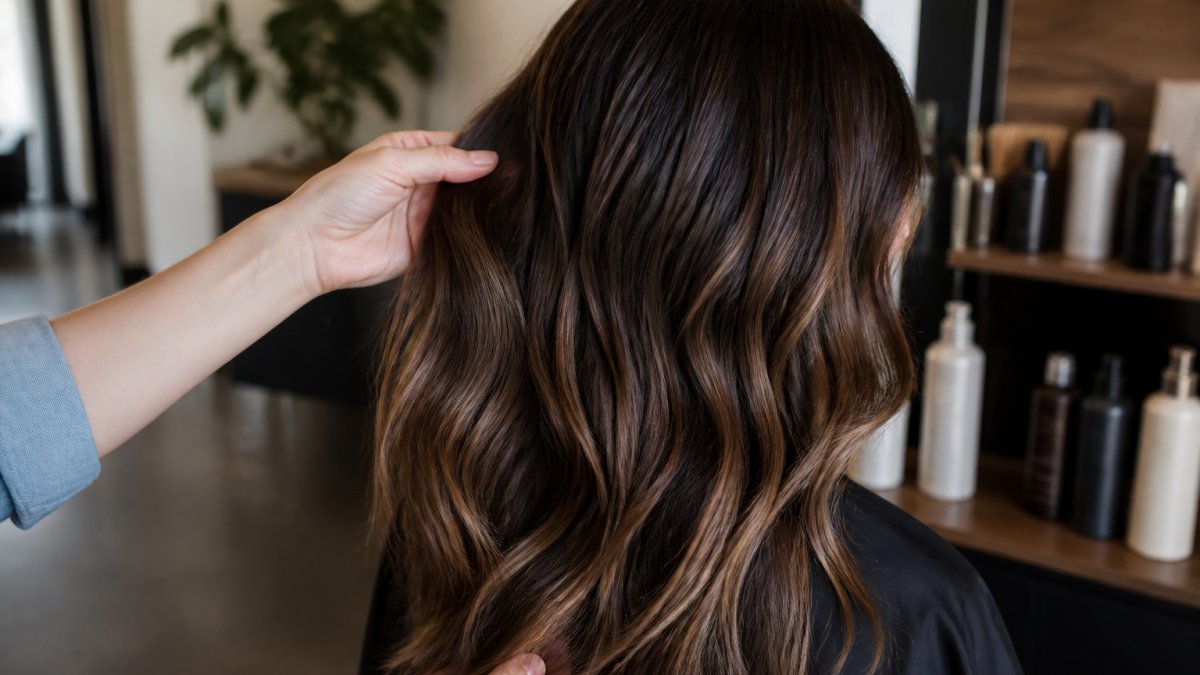
A rich brunette with dimensional undertones is the ultimate low-maintenance color. Deep browns, chocolate tones, and warm caramels all hide new growth effectively. The key is adding dimension through subtle highlights or lowlights rather than keeping the color flat and uniform.
Dimension serves a practical purpose beyond aesthetics. When your brunette has lighter and darker tones woven throughout, the eye doesn't fixate on the root line. A flat brunette shows every millimeter of regrowth. A dimensional brunette? The variation makes regrowth nearly invisible for weeks.
Consider adding warm copper or golden tones to your brunette base. These lighter pieces catch light and create visual interest that draws attention away from new growth. You're essentially using color placement to your advantage, making the growing-out process part of the design rather than a problem to hide.
Babylights and Subtle Highlights in Brunettes
Babylights are fine, delicate highlights that mimic natural sun-kissed tones. In brunettes, babylights add brightness and dimension without the commitment of full balayage. They're perfect for professionals who want subtle enhancement rather than dramatic change.
The beauty of babylights in brunettes is their subtlety. Thin, scattered highlights blend seamlessly with your natural base, meaning regrowth is virtually undetectable. After six weeks, you might see slightly more contrast between your natural brunette and the highlighted pieces, but that's actually part of the appeal, it looks like natural sun exposure rather than artificial color.
Babylights also work wonderfully for brunettes transitioning to a lighter shade. Instead of going from dark to light in one appointment, you can gradually add more highlights over several visits. This protects hair health and gives you time to adjust to the lighter tones.
Balayage for Low-Maintenance Hair Growth
Balayage deserves its own section because it's genuinely one of the most effective techniques for extending time between appointments. The hand-painted method allows your stylist to work strategically with how your hair will grow.
When balayage is applied with low-maintenance goals in mind, the lighter pieces are placed in areas that naturally blend as new growth emerges. Typically, this means concentrating highlights around the face and mid-lengths while keeping roots darker.
The dimensional effect of balayage also means that slight color fading, which inevitably happens over time, actually enhances the look rather than diminishing it. As blonde pieces soften slightly, they blend more harmoniously with your base color. This is the opposite of single-process color, where fading makes the color look tired and dull.
For the best low-maintenance results with balayage, communicate clearly with your stylist about your appointment schedule. If you can realistically only come in every eight weeks, your stylist will place highlights differently than if you're coming in every five weeks.
Gray Blending Hair Color for Seamless Coverage
Gray blending is a strategic approach to covering gray hair while maintaining low maintenance. Instead of trying to match your entire head to one color, gray blending uses dimension and darker tones to blend gray throughout rather than covering it completely.
This technique works by adding lowlights, darker pieces, that blend with your natural gray. The result is a multi-tonal appearance that looks intentional and sophisticated. As your hair grows and more gray appears, it blends naturally with the darker pieces rather than creating obvious regrowth lines.
Gray blending is particularly effective for professionals who have significant gray but want a natural appearance. A full color might look too uniform and require touch-ups every four weeks. Gray blending?
The key to successful gray blending is working with a stylist who understands color theory and can strategically place darker tones. This isn't about randomly adding lowlights, it's about creating a cohesive, intentional look that works with your natural gray rather than against it.
How to Extend Time Between Salon Visits
Getting the right color technique is half the battle. The other half is proper maintenance at home. How you care for your color between appointments directly impacts how long it lasts and how beautiful it remains.
At-Home Color Care and Fade Prevention
Color fades fastest in the first two weeks after your appointment. This is when your hair cuticles are still adjusting and pigment molecules are still settling. Waiting at least 48 hours before shampooing gives color time to fully deposit and stabilize.
When you do shampoo, use lukewarm or cool water. Hot water opens the hair cuticle, allowing color molecules to escape. This is why your color fades faster if you're using hot water regularly. Many professionals find that switching to cooler water alone extends their color by a week or more.
Invest in color-safe shampoo and conditioner. Regular shampoos contain sulfates that strip color molecules from your hair. Color-safe products are formulated to cleanse without stripping. They're more expensive upfront, but they pay for themselves by extending the life of your color, meaning fewer salon visits.
Consider washing your hair less frequently overall. Every shampoo, even with color-safe products, gradually fades color. If you can extend from washing daily to washing every other day or every three days, you'll see a noticeable difference in how long your color lasts.
Maintenance Schedules by Technique
Different techniques have different maintenance timelines. Understanding what to expect helps you plan realistically.
| Technique | Typical Timeline | Why It Works |
|---|---|---|
| Rooted Blonde | 6-8 weeks | Root shadow blends naturally as it grows |
| Balayage | 8-10 weeks | Scattered highlights blend with new growth |
| Dimensional Brunette | 8-12 weeks | Darker base camouflages regrowth effectively |
| Babylights | 8-10 weeks | Fine highlights blend subtly with natural color |
| Gray Blending | 6-8 weeks | Lowlights blend with emerging gray |
These timelines assume proper at-home care. If you're using hot water and regular shampoo, expect to cut these timelines by 20-30 percent. If you're diligent about cool water and color-safe products, you might extend them by a week or two.
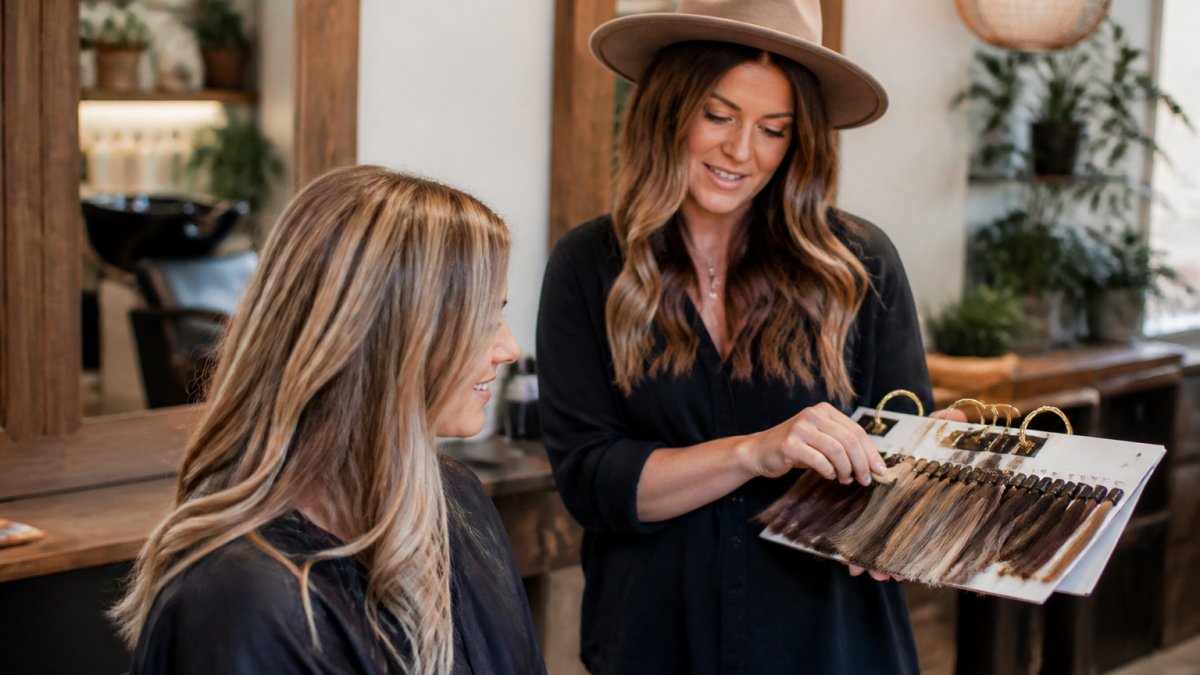
The most important factor is communication with your stylist. Tell them realistically how often you can come in. A stylist who knows you have eight weeks between appointments will place color differently than one who thinks you'll be back in five weeks. This planning is what transforms a color from high-maintenance to genuinely low-maintenance.
Choosing the Right Low-Maintenance Color for Your Hair Type
Your natural hair color, texture, and condition all influence which low-maintenance technique will work best for you. What's effortless for one person might be high-maintenance for another.
If you have naturally dark hair, dimensional brunettes and gray blending are your best bets. Your natural base provides excellent camouflage for regrowth, and adding dimension is straightforward.
If you have naturally light hair, rooted blonde and balayage are ideal.
Hair texture matters too. Fine hair processes quickly and can be more fragile, so techniques that require less frequent color touch-ups are essential.
Hair condition is non-negotiable. If your hair is already compromised from previous color or heat damage, you need a technique that requires minimal processing.
At Sunbeam Hair Studio, we begin every color consultation by assessing your natural hair, discussing your realistic maintenance schedule, and recommending techniques that align with both.
The difference between a color that demands constant attention and one that looks better as it grows comes down to technique, placement, and realistic expectations.
Your hair should work with your life, not against it.
Frequently Asked Questions
What is the easiest low-maintenance hair color to maintain?
Rooted blonde and lived-in color styles are the easiest to maintain because they blend natural regrowth seamlessly. Balayage and hand-painted highlights also hide grow-out well since the color is dimensional rather than a solid line. Gray blending techniques work similarly, allowing roots to blend naturally without obvious demarcation lines. These approaches extend time between salon visits significantly compared to solid, single-process color.
How often do you need touch-ups with balayage for low-maintenance hair?
Balayage typically requires touch-ups every 8 to 12 weeks, depending on how quickly your hair grows and how much sun exposure it receives. Because balayage places color throughout the hair rather than at the roots only, regrowth is less noticeable. Many clients find they can stretch appointments longer than they would with traditional highlights or solid color, making it ideal for busy professionals who want dimensional color without frequent salon visits.
What hair colors grow out naturally and look good in transition?
Rooted blonde, sombré, root shadow, and gray blending all grow out beautifully because they intentionally blend the natural root color with colored lengths. Balayage and babylights also transition well since the color is hand-painted rather than a solid stripe. Rich brunettes with subtle lowlights hide regrowth effectively. These techniques work with your natural hair growth cycle instead of against it, creating a lived-in, intentional look as roots emerge.
How can I prevent my low-maintenance hair color from fading between appointments?
Use color-safe shampoo and conditioner to minimize fade, and limit heat styling when possible. Protect your hair from direct sun exposure, which can fade color faster. Deep conditioning treatments every 1 to 2 weeks help maintain shine and color vibrancy. Avoiding chlorine and saltwater also extends color longevity. These at-home practices work together to keep your dimensional color looking fresh longer, reducing the need for frequent salon visits.