 how-to
How Do You Go Blonde From Dark Brown Hair?
Last Updated: October 26, 2026
Quick Summary
To go blonde from dark brown hair, plan for two to four lightening sessions spaced weeks apart, since dark brown hair holds a lot of pigment that must be removed in controlled stages. Choose a warm or neutral blonde shade, and let your hair recover between sessions to avoid damage.
- Natural dark brown hair lifts more predictably than hair with permanent or box dye history.
- Honey or golden blonde is the easiest lift from dark brown, while ash or platinum is the hardest.
- A strand test checks how fast and evenly your hair lifts before committing to the full head.
- Toner neutralizes orange and yellow tones after lightening to give you the final blonde shade.
- Use a purple or blue toning shampoo once or twice a week to fight brass between appointments.
Table of Contents
- Why Going Blonde From Dark Brown Hair Takes a Plan
- Assessing Your Starting Canvas: Natural vs. Previously Colored Hair
- How Many Sessions to Go From Brunette to Blonde
- The Best Blonde Shade for Dark Brown Hair
- Going Blonde From Dark Hair Without Bleach
- Lightening in Stages: Strand Tests, Toner, and Recovery Time
- Troubleshooting Uneven Lift and Stubborn Orange Tones
- How to Maintain Blonde Hair Between Appointments
- Frequently Asked Questions
Why Going Blonde From Dark Brown Hair Takes a Plan
If you have dark brown hair and want to go blonde, the short answer is this: it takes a plan, not a single appointment.
We treat every brown-to-blonde transformation as a multi-step project. The Vogue 2026 hair color trend report notes that darker, more toned-down shades are a major theme for 2026, even for blondes.
Below, we break down how to go blonde from dark brown hair, step by step. If you are planning a major lightening process, it helps to know how to prepare for your color appointment before you sit in the chair.
Assessing Your Starting Canvas: Natural vs. Previously Colored Hair
Your starting point decides everything. Natural dark brown hair and previously colored dark brown hair behave very differently under lightener, and the difference can add sessions to your timeline.
That is why the same target shade can take two sessions on virgin hair and four on hair with a box-dye history. Before you book, run a quick self-assessment of your hair history:
- Virgin hair (never colored, permed, or chemically straightened): lifts most predictably. Expect the standard brown → red → orange → yellow progression.
- Previously colored with semi- or demi-permanent dye: the artificial pigment is smaller and fades over time, so lift is usually more even than with permanent dye, but banding can still occur where the old color was applied unevenly.
- Previously colored with permanent dye or box dye: the most common blocker. Permanent dye deposits larger molecules and often leaves a line of demarcation at the roots. Lightener may lift the natural root faster than the dyed mid-lengths, creating a two-tone result unless the colorist pre-treats or uses a color remover first.
- Henna or metallic-salt history: the highest-risk category. Some henna products and metallic salts react unpredictably with lightener and can cause smoking, heat, or severe damage. Tell your stylist before any lightener touches your hair; many colorists will refuse to lighten over henna without a test strand.
- Grey or mixed texture: grey hair lacks pigment and lifts differently from pigmented strands, so a customized application pattern is needed to keep lift even.
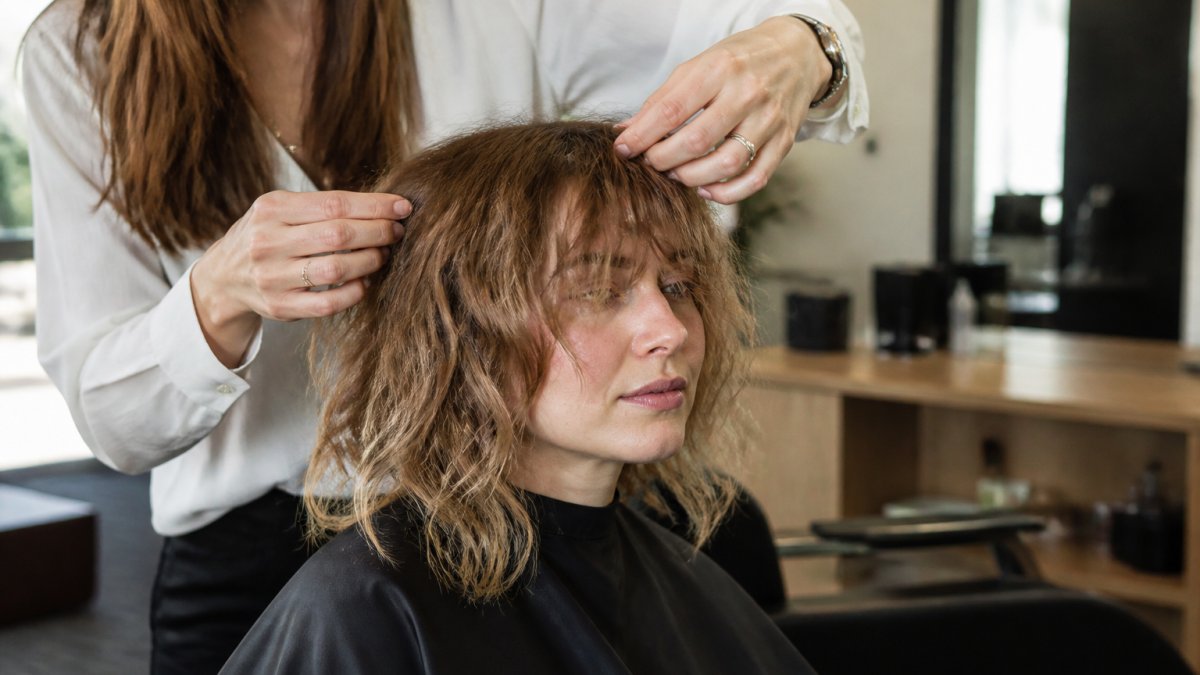
A common mistake is treating these as the same job. They are not. A skilled colorist will assess your hair history, porosity, and condition before mixing a single bowl of lightener.
For a deeper look at how to prepare your hair and history for the appointment, see our guide on how to prepare for your color appointment.
How Many Sessions to Go From Brunette to Blonde
Most dark brown hair needs two to four lightening sessions to reach blonde, spaced weeks apart. Some clients get there faster. Others need more time, especially if their hair is fine, damaged, or coated in old dye.
The number of sessions depends on three things:
- How light you want to go. A warm honey blonde is a shorter trip than a cool platinum.
- Your starting pigment. Natural brown lifts more predictably than dyed brown.
- Your hair's condition. Healthy hair tolerates more lift per session.
Many clients expect a one-visit transformation. Since multiple sessions are usually required, it pays to know how to choose a balayage stylist who has done this kind of transformation before.
Here is how long the brown-to-blonde process typically takes and what drives the number of sessions.
| Factor | Effect on sessions | Note |
|---|---|---|
| Target shade | Honey blonde is shorter than cool platinum | Lighter targets need more lift |
| Starting pigment | Natural brown lifts more predictably than dyed brown | Box dye can double the sessions |
| Hair condition | Healthy hair tolerates more lift per session | Fine or damaged hair needs more time |
| Typical range | Two to four lightening sessions | Spaced weeks apart |
The Best Blonde Shade for Dark Brown Hair
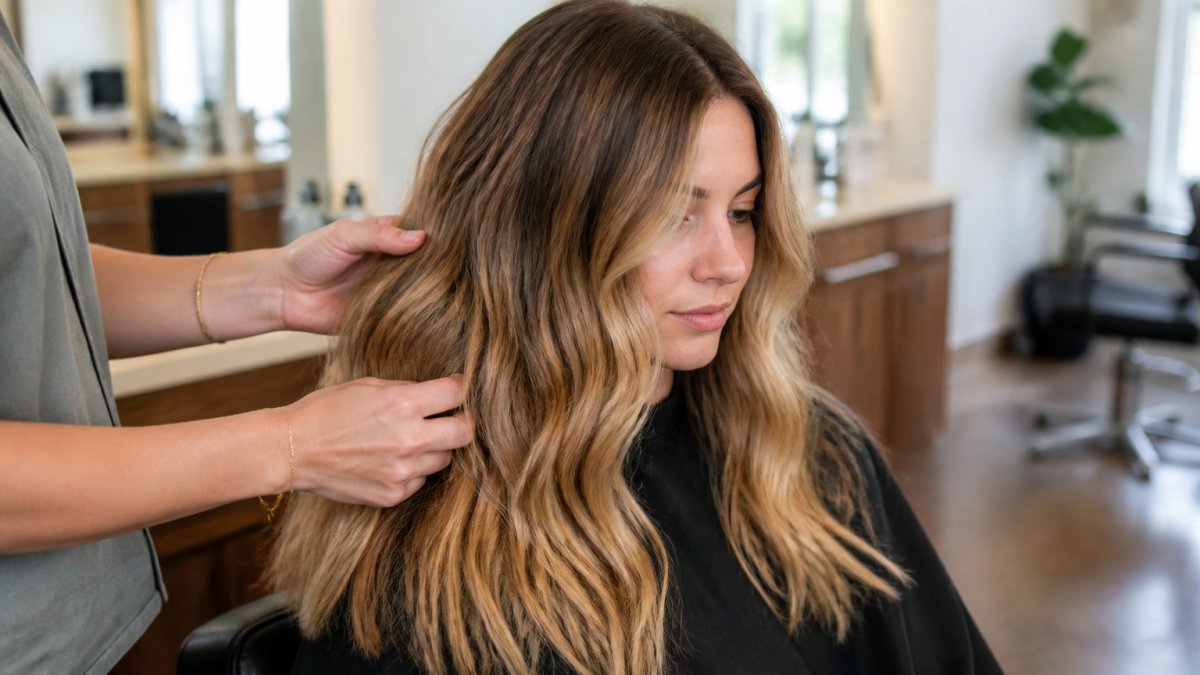
The best blonde shade for dark brown hair is usually a warm or neutral tone that works with your natural undertones, not against them. Chasing an icy platinum from a dark brown base is the hardest path.
Here is a simple shade guide:
- Honey or golden blonde: the easiest lift from dark brown. Warm and forgiving.
- Caramel or butterscotch: sits between brown and blonde. Very low-maintenance.
- Beige blonde: neutral and soft. A good middle ground.
- Ash or platinum blonde: the hardest lift. Needs the most sessions and upkeep.
Your natural undertones matter here. Warm undertones in dark brown hair tend to fight cool ash shades, which can leave brassy hair behind. A colorist can tone your result to soften that fight.
Going Blonde From Dark Hair Without Bleach
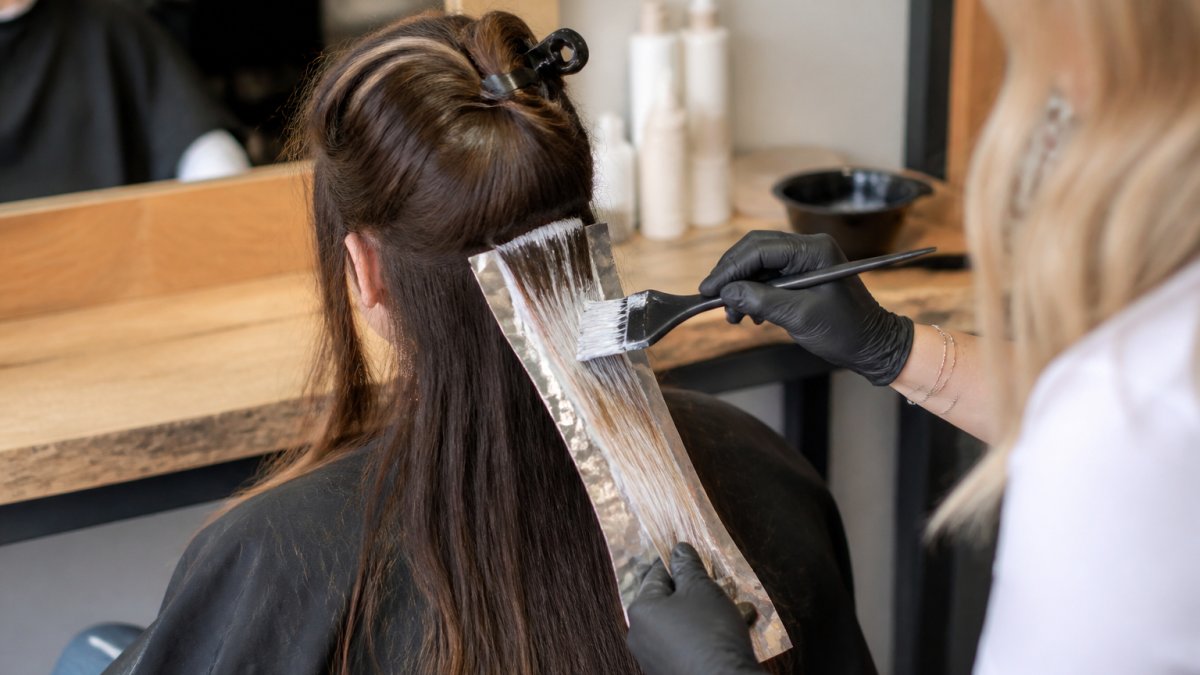
You can go lighter from dark brown hair without bleach, but the result is usually a warmer, subtler blonde rather than a bright one. Bleach, or lightener, is what removes dark pigment fast.
Options for going blonde from dark hair without bleach include:
- High-lift color: lifts a few levels in one step. Best for natural, undyed hair.
- Color remover: pulls artificial pigment from previously colored hair.
- Gradual lightening: several gentle sessions over months.
- Highlights: lift select strands instead of the whole head.
The trade-off is speed versus gentleness. A no-bleach route is kinder to hair and often better for damaged or fine hair. It just takes longer to get there.
Lightening in Stages: Strand Tests, Toner, and Recovery Time
Lightening in stages is how you go blonde from dark brown hair without wrecking it. Each stage removes some pigment, then your hair rests before the next round.
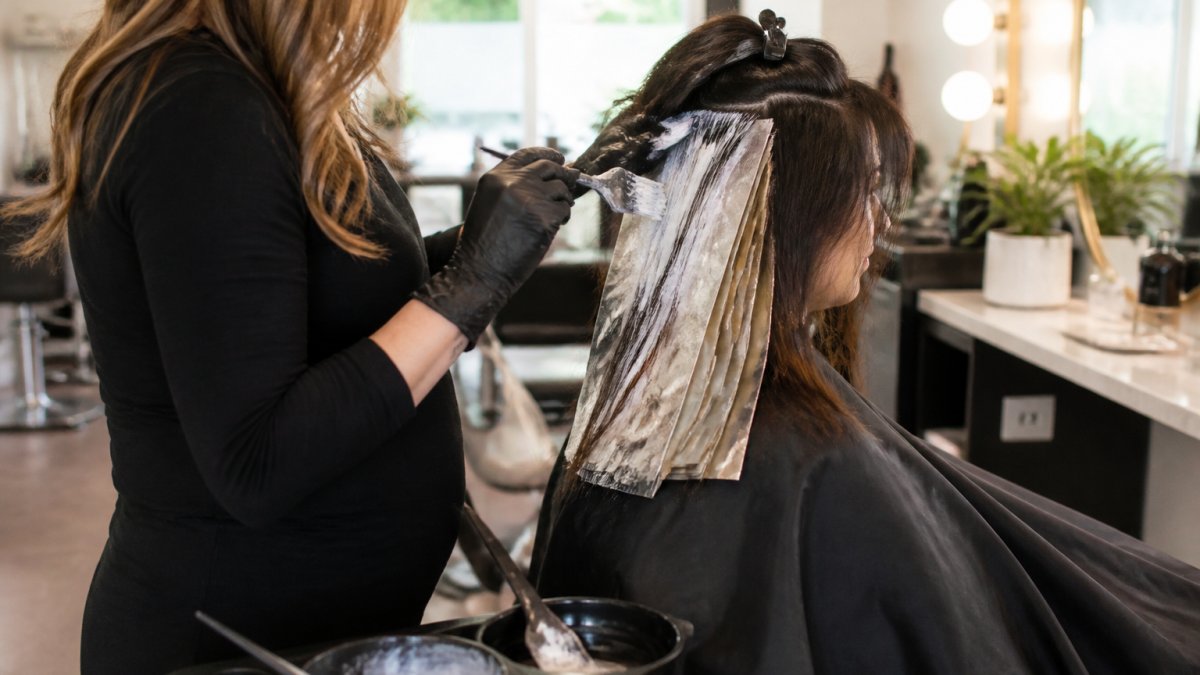
A strand test is a small section of hair lightened on its own to check how fast and how evenly it lifts. A patch test checks for skin reactions before color goes on (the FDA).
Toner is the step that makes blonde look blonde. If you are unsure whether you need a toner or a gloss, our guide on toner vs. gloss explains the difference.
Recovery time between sessions matters. Most colorists recommend waiting a few weeks so the hair can settle before the next lift.
Troubleshooting Uneven Lift and Stubborn Orange Tones
Uneven lift and stubborn orange tones are the two most common problems when going from dark brown to blonde. Both usually come from old dye, uneven porosity, or lightener applied without enough care, but the fix depends on which mechanism is at work, and adding more lightener is rarely the answer.
Here is what to watch for, why it happens, and what to do:
- Banding (visible horizontal lines where lightener stopped): caused by uneven application, inconsistent saturation, or lightener drying out before processing finished. Dried lightener stops lifting, so the section under the dry edge lifts less than the wet section. The fix is careful sectioning and keeping the lightener moist; correction usually means re-lifting the banded zone in a later session, not overlapping fresh lightener on already-lifted hair.
- Orange tones: the natural red-orange pigment (pheomelanin) showing through because lift stopped at the orange stage. This is a toner problem, not a lightener problem. Applying more bleach to chase orange pushes hair toward yellow but also toward damage; a toner formulated for orange (blue-based) neutralizes it without further lift.
- Patchy lift (some sections lighter than others): often old dye blocking lightener in the mid-lengths while the virgin roots lift fast. The result is a two-tone canvas. A colorist may use a color remover on the dyed sections first, or apply lightener in a staggered pattern so the slower sections get a head start.
- Brassy hair (warm tones creeping back after toning): a maintenance issue, not a lifting one. Toner fades with washing, so brass returns as the toner washes out. Purple or blue toning shampoo slows it, but the real fix is a fresh toner at your next appointment.
The fix is rarely "add more lightener." Most of the time it means correcting the tone and letting the hair recover. If your lift is uneven or your orange tones will not budge, professional hair color correction can even things out without pushing your hair past its limit. A colorist will typically assess with a strand test before committing to a correction plan, and may recommend a bond-building treatment between sessions to strengthen hair before the next lift.
How to Maintain Blonde Hair Between Appointments
Maintaining blonde hair between appointments comes down to three habits: protecting the tone, protecting the moisture, and protecting the schedule. Blonde fades and turns brassy faster than any other color, so upkeep is part of the deal.
Start with these:
- Use a color-safe shampoo. Harsh cleansers strip tone fast.
- Add a purple or blue toning shampoo once or twice a week to fight brass.
- Deep condition weekly. Lightened hair loses moisture easily.
- Cut back on heat styling where you can.
- Book your next appointment early to stay ahead of root regrowth.
For a deeper list of tricks, our guide on how to keep balayage from getting brassy covers the habits that keep blonde looking fresh.
Frequently Asked Questions
Is it possible to go from dark brown hair to blonde?
Yes, but it rarely happens in one appointment. Dark brown hair contains more underlying red and orange pigment, so a colorist typically lifts it in stages to protect the hair. Natural, uncolored dark brown can often reach a medium blonde in two to three sessions spaced several weeks apart, while previously dyed dark brown may need color removal first. A consultation and strand test will give you a realistic target and timeline.
How many sessions does it take to go from brunette to blonde?
Most people need two to four salon visits, depending on starting level, hair history, and how light you want to go. Lifting from a level 3 or 4 brown to a bright blonde often requires three sessions with recovery time in between. Previously colored hair can add a session if artificial pigment needs to be removed first. Your colorist can map out the exact number after assessing your hair.
Can you go from dark brown to blonde without bleach?
Going blonde from dark hair without bleach is possible only within limits. High-lift blondes and some ammonia-based lighteners can lift natural dark brown a few levels, usually to a warm dark blonde or caramel tone. If your hair is previously colored or you want a pale, cool blonde, bleach or lightener is usually necessary. A colorist can test a small strand to show you what is achievable without bleach.
How do you maintain blonde hair after going from dark brown?
Maintenance starts with a color-safe, sulfate-free shampoo and a purple or blue toning shampoo used once or twice a week to keep brassiness away. Deep conditioning once a week helps offset the dryness that comes with lightening. Plan on a root touch-up or gloss every six to eight weeks, and book a toner refresh in between. Avoiding hot tools without heat protection also extends the life of your color.
Going blonde from dark brown hair is one of the most rewarding transformations in the salon, and one of the most demanding. It needs a real plan, honest expectations, and a colorist who puts hair health first. That is exactly how we work at Sunbeam Hair Studio: personalized dimensional color, in-depth consultations, and a relaxed, sustainable space where your hair can get the care it needs. Get started with Sunbeam Hair Studio and book a session to map out your brown-to-blonde plan.